


Uncovering the Evolution of Outdoor Structures: A Look at the Latest Trends in Landscape Design and Backyard Living in Chatham
- i29073

- Oct 30, 2024
- 4 min read
Outdoor living spaces have evolved into sophisticated extensions of our homes. With more people working remotely and seeking relaxing recreational areas, the trend of enhancing backyards has surged. From inviting bunkies to imaginative she-sheds, these outdoor structures are redefining landscape design in Chatham and beyond. This post explores current trends in outdoor living, showcasing the structures that are becoming essential components of modern backyards.
Understanding the Shift Towards Outdoor Living Spaces
Outdoor spaces are undergoing a major transformation. Once limited to decorative gardens or vegetable patches, these areas are now multifunctional spaces designed for relaxation, work, and recreation. This change is driven by lifestyle shifts, including the rise of remote work and a focus on self-care.
Homeowners increasingly aim to create outdoor sanctuaries that provide a connection to nature and enhance their lifestyles. For example, a recent survey revealed that 78% of homeowners are prioritizing outdoor design as a way to improve their quality of life.
The importance of this trend is evident in the growing popularity of outdoor structures, which serve both aesthetic and practical purposes.

The Rise of Bunkies: Tiny Homes, Big Appeal
Bunkies have gained traction as small structures serving various roles, such as guest rooms, home offices, or recreational spaces. Their compact design allows for quick and easy setup, making them an appealing choice for homeowners looking to maximize their outdoor areas without significant renovations.
Typically less than 200 square feet, bunkies efficiently blend comfort with functionality. They can be transformed into quiet workspaces, art studios, or meditation rooms, offering versatility that suits today’s lifestyle. Moreover, with options that include eco-friendly materials and customizable designs, homeowners can find bunkies that reflect their unique styles.

She-Sheds: Empowering Outdoor Retreats
She-sheds have become a popular trend, providing personal spaces for creativity, mindfulness, or simple relaxation. These structures are often mini-retreats, allowing women to express their style and engage in hobbies like crafting or reading.
The rise of she-sheds has inspired many DIY projects, with approximately 60% of women opting to create their own outdoor retreats. This trend highlights a growing understanding of the importance of mental health and well-being, as people carve out dedicated, serene spaces in their backyards to unwind and recharge.
Sustainability in Outdoor Structures
With the increasing focus on outdoor living, sustainability has taken center stage. Homeowners are now seeking eco-friendly materials and energy-efficient designs for their outdoor structures.
For instance, many companies offer sustainable options such as reclaimed wood or bamboo, which are not only environmentally friendly but also stylish. Additionally, installations like solar panels and rainwater collection systems are becoming more common, with about 45% of homeowners indicating they wish to incorporate greener technologies into their outdoor spaces. By prioritizing sustainability, homeowners can enhance the appeal of their outdoor structures while positively impacting the environment.
Backyard Dining: The Evolution of Outdoor Kitchens
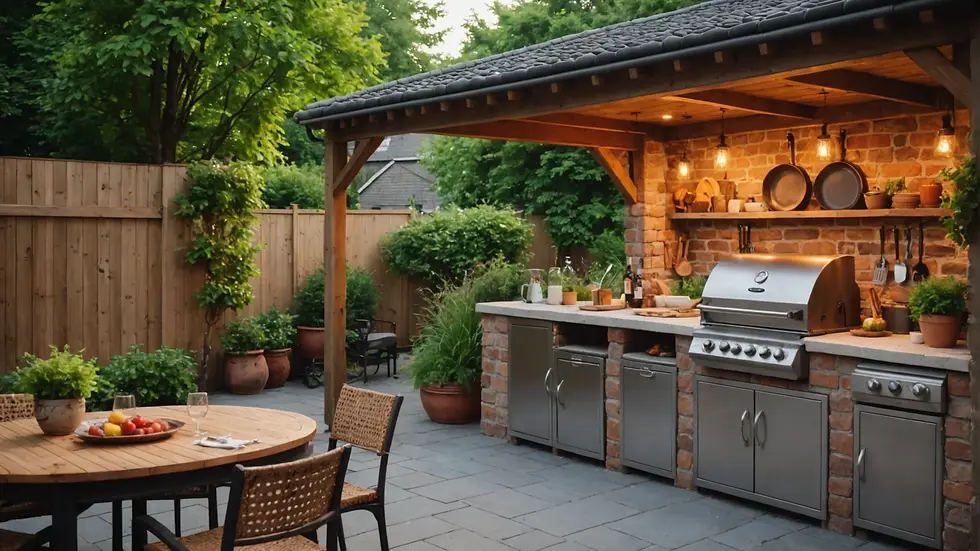
Outdoor kitchens have seen a dramatic increase in popularity. No longer confined to simple grills, many outdoor areas now boast fully equipped kitchens, complete with countertops, sinks, and even refrigerators.
Outdoor kitchens create an inviting atmosphere for family gatherings and parties. Reports show that homes with outdoor kitchens have 20% higher property values than those without. This trend reflects the growing desire for culinary experiences in unique outdoor settings, allowing families to enjoy meals together under the open sky.
The Impact of Technology on Outdoor Structures
Technology is becoming an essential feature in outdoor spaces, enhancing how we use them. Smart devices, including lighting, heating, and audio systems, are now commonplace in many backyards.
For example, homeowners can control outdoor lighting and heating through their smartphones, allowing for customizable comfort. Recent studies indicate that homes equipped with smart outdoor features can experience a 30% reduction in energy costs. This blend of technology and nature creates innovative outdoor experiences that make backyard living even more enjoyable.
Creating Multi-Functional Spaces
The trend towards multi-functional outdoor spaces encourages homeowners to maximize every area of their backyards. For instance, a garden shed can also serve as a yoga studio, providing relaxation during the day and a cozy lounge at night.
When designing these spaces, consider essential elements such as storage solutions, seating arrangements, and shade structures. This thoughtful approach ensures optimal use of your backyard throughout the year, making it an inviting place for family and friends to gather.
Styles and Designs: Finding What Works for You
The variety of styles and designs available for outdoor structures allows homeowners to select features that fit their unique aesthetics and environments. Ranging from rustic cabins to modern she-sheds, these options offer distinct advantages.
Consider using a mix of colors, textures, and materials that resonate with your landscape to create a cohesive outdoor look. Incorporating native plants around these structures can enhance their integration into the surroundings, further promoting ecological balance.
Landscaping to Enhance Outdoor Structures
Landscaping plays a crucial role in increasing the appeal and functionality of outdoor structures. By thoughtfully incorporating pathways, seating areas, and decorative plants, you can transform these structures into inviting retreats.
Consider using seasonal flowers, such as marigolds or lavender, to create a vibrant and welcoming atmosphere. These arrangements not only beautify the space but also attract beneficial wildlife, enriching the overall experience of your backyard.
Accessibility in Outdoor Designs
With outdoor living growing in popularity, the importance of accessibility in design is becoming increasingly clear. Many homeowners are now considering features that accommodate individuals of all ages and abilities, ensuring that everyone can enjoy their outdoor spaces.
Incorporating ramps, wide pathways, and accessible seating options fosters inclusivity and enhances the functionality of outdoor areas. By focusing on accessibility, you create an inviting environment where everyone can gather and create lasting memories.
Looking Ahead: The Future of Outdoor Living
The evolution of outdoor structures highlights a shift toward greater usability and a stronger connection to nature. With the popularity of bunkies, she-sheds, outdoor kitchens, and thoughtful landscaping, backyards are transforming into essential lifestyle elements.
The focus on sustainability and multifunctionality reflects a collective desire for creativity and comfort in outdoor living. By embracing these trends, homeowners can unlock countless possibilities for their landscapes, ensuring years of enjoyment in their outdoor spaces.
Ultimately, the future of backyard living in Chatham appears bright, full of opportunities for innovation and tranquility. By investing in outdoor structures aligned with personal preferences, individuals can craft peaceful sanctuaries that enhance their lifestyles.
With an endless array of possibilities, let your imagination guide you as you create your outdoor paradise.


Comments